liveblackjack.co

Live Blackjack Dictionary

New to live dealer blackjack, or not sure what a line in a table’s rules panel means? This dictionary explains the terms you’ll meet at live blackjack tables in plain English: the rules that change the house edge, the side bets, the table features and the best-known game types.

Pick a term from the A–Z list to jump straight to its definition. Each entry links to related terms, so you can follow one idea to the next.

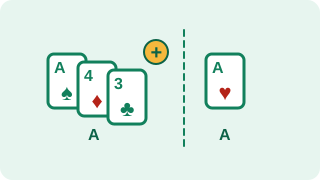
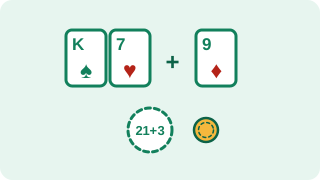
Illustration: 21+3 Sidebet

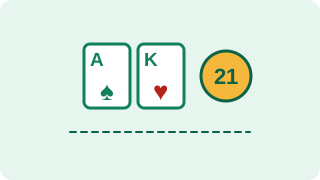
21+3 Sidebet

A side bet that pays if your first two cards and the dealer's upcard form a poker-style hand.

21+3 is an optional side bet placed alongside your main wager. It combines your two starting cards with the dealer's upcard and pays if they make a three-card poker-style hand, such as a flush, straight or three of a kind. Pay tables typically vary by provider and table, so check the rules panel before betting. It is settled as soon as the upcard is shown, separately from the blackjack hand.

Related: Side Bet · Perfect Pairs Sidebet · Upcard

Back to A–Z
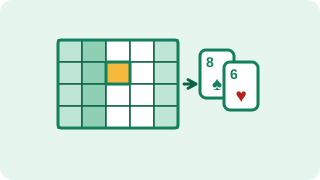
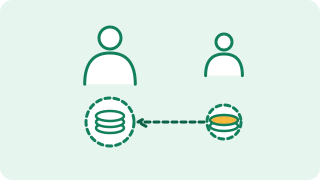
Illustration: Basic Strategy

Basic Strategy

A set of mathematically derived rules for the best play of each hand against each dealer upcard.

Basic strategy is a chart that tells you whether to hit, stand, double, split or surrender for every combination of your hand and the dealer's upcard. It is worked out for a specific set of table rules, so the correct chart changes with things like Dealer Hits Soft 17 or the number of decks. It lowers the house edge as far as the rules allow, but no strategy can guarantee a win.

Related: House Edge · Hit · Stand · Double Down

Back to A–Z
Illustration: Bet Behind

Bet Behind

A way to back another player's hand without taking a seat at the table.

Bet Behind lets you place a wager on a seated player's hand when every seat is taken, or when you just want to watch. You do not make playing decisions; the seated player decides whether to hit, stand or double, and your bet follows their hand. Not every live table offers it, and some providers limit how many people can back a single seat.

Related: Seat (Seated Player) · Multi Seat · Table Limits

Back to A–Z
Illustration: Blackjack (Natural)

Blackjack (Natural)

An ace plus a ten-value card as your first two cards, totalling 21.

A blackjack, also called a natural, is an ace together with a ten, jack, queen or king dealt as your first two cards. It normally beats any other 21 and is paid at a better rate than an ordinary win. A 21 made of three or more cards, or after splitting at most tables, is not a natural. On the stream the dealer announces it and settles it straight away.

Related: Blackjack Pays · Even Money · Dealer Peeks For BJ

Back to A–Z
Illustration: Blackjack Pays

Blackjack Pays

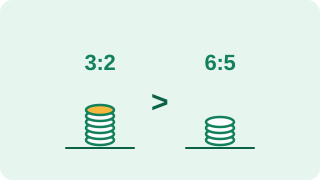
The payout rate for a natural, most often 3:2 but sometimes a weaker 6:5.

This is how much a winning natural pays relative to your stake. The standard rate is 3:2, so a 10 bet returns 15 profit. Some tables pay only 6:5, which returns 12 on the same bet and noticeably raises the house edge. Check the rules shown on the table or in the game info panel before sitting down, as live tables from different providers can differ.

Related: Blackjack (Natural) · House Edge · Even Money

Back to A–Z
Illustration: Branded Table

Branded Table

A live table styled and run exclusively for a single casino operator.

A branded table uses the casino's own logo, colours and sometimes dedicated dealers, but the game is still run by the live provider. Rules and limits are set by the provider and operator, so they can differ from the same game in the public lobby. Branded tables are often reserved for that casino's players only, which can mean shorter waits for a seat.

Related: Private (Salon Privé) Table · VIP Table · Native-Language Table

Back to A–Z
Illustration: Burn Card

Burn Card

A card removed from the top of the shoe, unseen, before dealing starts.

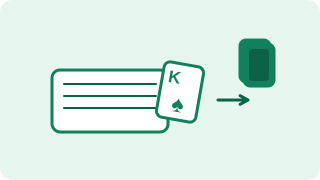
After the shoe is shuffled, the dealer typically takes the top card and discards it face down without showing it. This is the burn card. It is a security measure intended to stop anyone gaining information about the first card. On a live stream you will often see the burn happen right after the shuffle, and sometimes the cut card being placed too.

Related: Shoe · Cut Card · Shoe Penetration

Back to A–Z
Illustration: Bust

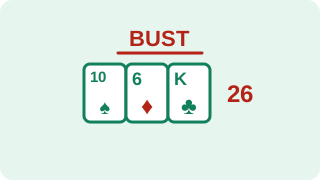
Bust

A hand whose total goes over 21, which loses immediately.

If the value of your cards goes above 21 you have busted and your bet is lost, even if the dealer later busts too. Because players act first, this is a key reason the house keeps its advantage. In live blackjack a busted hand is flagged on screen and the chips are cleared quickly. If the dealer busts, all remaining hands win.

Related: Hit · Hard Hand · Stand

Back to A–Z
Illustration: Cut Card

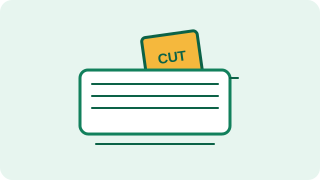
Cut Card

A coloured plastic card placed in the shoe to mark when the shuffle is due.

After shuffling, the cut card is inserted into the cards to mark roughly how deep dealing goes before reshuffling. When it appears, the dealer finishes the round in progress and then shuffles. Its position determines shoe penetration. On camera you can often see it as a bright plastic card sitting in the shoe, so you can tell how far through the cards the table is.

Related: Shoe Penetration · Shoe · Burn Card

Back to A–Z
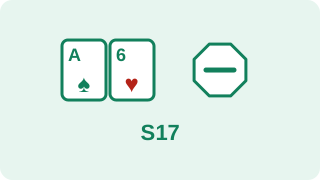
Illustration: Dealer Hits Soft 17

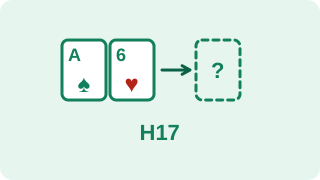
Dealer Hits Soft 17

A rule where the dealer must take another card on a soft total of 17.

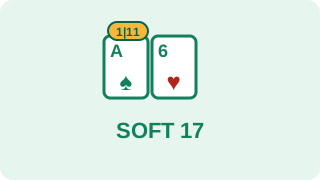
A soft 17 is a hand containing an ace counted as 11 for a total of 17, such as ace and six. Where the dealer hits soft 17, they must draw again, which gives them extra chances to improve and increases the house edge. The rule is usually printed on the table felt or in the game rules. Compare it with Dealer Stands On Soft 17, which favours the player slightly.

Related: Dealer Stands On Soft 17 · Soft Hand · House Edge

Back to A–Z
Illustration: Dealer Peeks For BJ

Dealer Peeks For BJ

The dealer checks the hole card for blackjack when showing an ace or ten.

With a hole-card game, when the dealer's upcard is an ace or a ten-value card, the dealer checks the face-down card for a natural before players act further. If there is a blackjack, the round ends at once. The check is done without showing players the card, often with a card reader built into the table. This rule limits losses from doubling or splitting against a dealer natural.

Related: Hole Card · European No Hole Card (ENHC) · Insurance Pays · Upcard

Back to A–Z
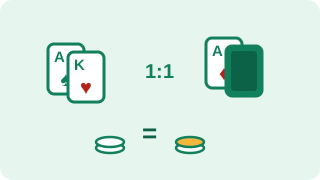
Illustration: Dealer Stands On Soft 17

Dealer Stands On Soft 17

A rule where the dealer stops drawing on a soft total of 17.

Under this rule the dealer keeps a soft 17, for example ace and six, and does not take another card. It is generally better for players than Dealer Hits Soft 17, as the dealer has fewer chances to improve the hand. The rule is normally written on the felt, for example as 'Dealer must stand on all 17s'. It is one of several rules that affect the house edge.

Related: Dealer Hits Soft 17 · Soft Hand · House Edge

Back to A–Z
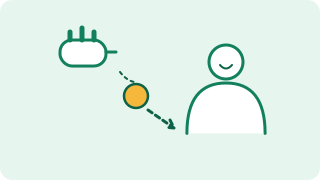
Illustration: Dealer Tip

Dealer Tip

An optional gratuity a player can give to the live dealer.

Many live casinos let you send a small tip to the dealer, usually through a button in the game interface, as a thank you. Tipping is entirely optional and does not influence the cards or the result. Some operators or providers do not offer it, and the amount comes out of your balance, so treat it as part of what you spend rather than a way to affect play.

Related: Decision Timer · Table Limits · Branded Table

Back to A–Z
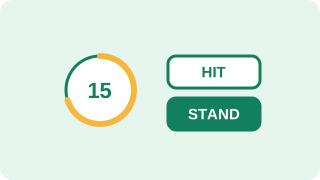
Illustration: Decision Timer

Decision Timer

A countdown showing how long you have to bet or act on your hand.

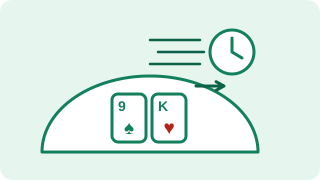
Live tables run to a clock so rounds keep moving. A countdown bar or number appears for placing bets and again for each decision, such as hit or stand. If you do not act in time, the game usually applies a default, which is often to stand, and a missed betting window means sitting out the round. Timings vary by game and provider.

Related: Hit · Stand · Seat (Seated Player)

Back to A–Z
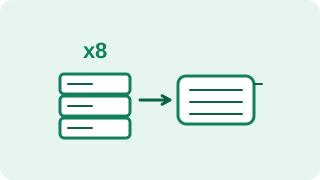
Illustration: Decks Used

Decks Used

The number of 52-card decks combined in the shoe.

Live blackjack shoes commonly contain several decks, often six or eight, though other counts exist. More decks generally mean a slightly higher house edge, because naturals become a little less likely and card combinations are harder to predict. The deck count is listed in each game's rules. Even Infinite Blackjack, where any number of players share one hand, is dealt from a physical shoe.

Related: Shoe · House Edge · Shoe Penetration · Infinite Blackjack

Back to A–Z
Illustration: Double After Split

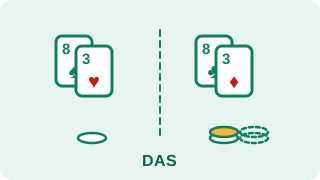
Double After Split

A rule allowing you to double down on a hand created by splitting a pair.

When allowed, you can double your bet on either of the hands you made by splitting, if the rules also permit doubling on that total. It helps the player, because splitting into a strong total such as an 11 can then be exploited. Not every table allows it, and some restrict it to certain cards. The rules panel in each live game states whether it applies.

Related: Split · Double Down · Double On Any Two

Back to A–Z
Illustration: Double Down

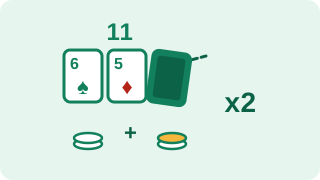
Double Down

Doubling your bet in exchange for exactly one more card.

Doubling down means placing a second bet equal to your original stake, then receiving one further card only, after which you must stand. It is often used on totals such as 10 or 11 against a weak dealer upcard. In live games you press the Double button and extra chips are added to your spot. Available totals depend on the table's rules.

Related: Double On Any Two · Double After Split · Hit

Back to A–Z
Illustration: Double On Any Two

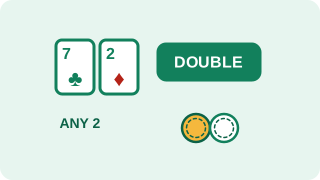
Double On Any Two

A rule letting you double down on any first two cards.

If a table allows double on any two, you can double after receiving your first two cards regardless of their total. This is the most flexible version and is better for the player than rules restricting doubling to totals like 9, 10 or 11. Some live variants limit this, so look at the rules panel, which lists which hands can be doubled.

Related: Double Down · Double After Split · Basic Strategy

Back to A–Z
Illustration: Early Payout

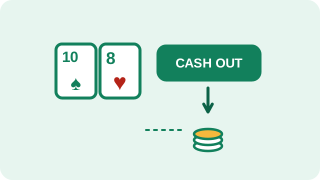
Early Payout

An option to cash out your hand before it finishes, for a value based on its chances.

Early Payout is best known from Evolution's Early Payout Blackjack. At any decision point you can take an instant payout instead of playing the hand on. The amount is worked out from your hand's chance of winning against the dealer's upcard, minus a small fee. Taking it means you give up whatever the hand would have won or lost. Check the game rules for how the fee is applied.

Related: Even Money · Blackjack (Natural) · Insurance Pays

Back to A–Z
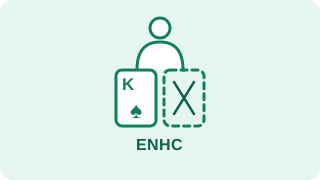
Illustration: European No Hole Card (ENHC)

European No Hole Card (ENHC)

A rule where the dealer takes the second card only after players have acted.

In European No Hole Card games the dealer receives a single upcard at the start and the second card is dealt only after every player has finished. There is therefore no peeking for blackjack. If the dealer then makes a natural, you can lose extra chips from doubles or splits. This makes it slightly worse for the player than hole-card games.

Related: Hole Card · Dealer Peeks For BJ · Upcard · House Edge

Back to A–Z
Illustration: Even Money

Even Money

An offer to take a 1:1 payout on a natural when the dealer shows an ace.

When you hold blackjack and the dealer's upcard is an ace, many tables offer even money. Accepting pays your bet at 1:1 straight away, rather than waiting to see whether the dealer also has blackjack. It is equivalent to taking insurance with a natural. You miss the higher natural payout if the dealer does not have blackjack.

Related: Insurance Pays · Blackjack (Natural) · Early Payout

Back to A–Z
Illustration: Free Bet Blackjack

Free Bet Blackjack

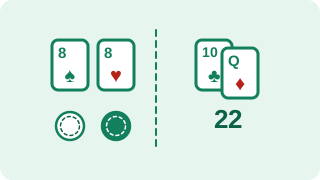
An Evolution variant where the casino pays for certain doubles and splits.

Free Bet Blackjack is an Evolution game in which the casino covers the extra stake on eligible doubles and splits, so you win without risking more on those hands. In return, if the dealer makes 22 the hand is usually a push against players who have not busted, rather than a win. Check the in-game rules for exactly which hands qualify.

Related: Push · Double Down · Split · Side Bet

Back to A–Z
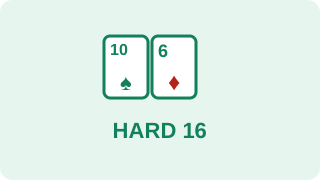
Illustration: Hard Hand

Hard Hand

A hand with no ace, or one where any ace must count as 1.

A hard hand either contains no ace or has an ace that can only be valued as 1 without busting. For example, ten plus six is a hard 16. Because a further card can bust it more easily, hard totals in the middle range are difficult to play. Hard and soft totals call for different plays in basic strategy.

Related: Soft Hand · Bust · Hit

Back to A–Z
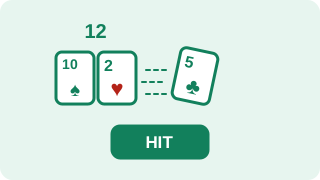
Illustration: Hit

Hit

Asking for another card to add to your hand.

Choosing to hit means the dealer deals you one more card from the shoe, adding it to your total. You can keep hitting until you stand, reach 21, or bust. In live blackjack you press the Hit button, or tap the table, within the decision timer. The best time to hit depends on your hand and the dealer's upcard.

Related: Stand · Bust · Decision Timer · Basic Strategy

Back to A–Z
Illustration: Hit Split Aces

Hit Split Aces

A rule allowing you to draw extra cards on aces after you have split them.

At many tables, once you split a pair of aces you receive just one card on each and must stand. If the table lets you hit split aces, you can keep drawing on those hands, which is better for the player. It is a less common rule, so it is worth checking the provider's rules. Even when you can draw, an ace and a ten after splitting counts as 21, not as a blackjack.

Related: Split · Re-Split Rules · Double After Split

Back to A–Z
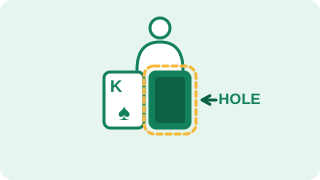
Illustration: Hole Card

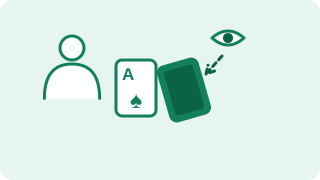
Hole Card

The dealer's face-down second card.

In hole-card games the dealer gets two cards at the start, one face up and one face down. The face-down card is the hole card, and it is revealed only after players have finished. When the upcard is an ace or ten, the dealer may peek at it for blackjack. Live cameras show the card staying face down until the dealer's turn.

Related: Upcard · Dealer Peeks For BJ · European No Hole Card (ENHC)

Back to A–Z
Illustration: Honey Bonus Sidebet

Honey Bonus Sidebet

A side bet offered by some providers that pays on a named card combination.

Honey Bonus is an optional side bet found at some live tables. It pays when the dealt cards form one of its listed combinations, and those combinations and payouts differ between casinos and games. Because it is settled separately from your main hand, check the in-game pay table before betting and treat it as extra risk.

Related: Side Bet · Lucky 7s Sidebet · Perfect Pairs Sidebet

Back to A–Z
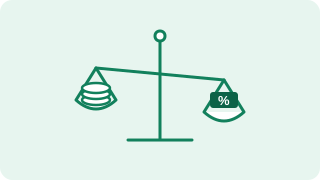
Illustration: House Edge

House Edge

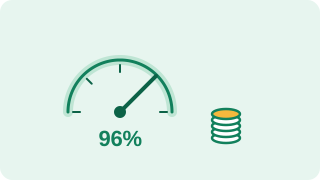
The average share of each bet the casino expects to keep over the long run.

House edge is the built-in long-term advantage the casino has, shown as a percentage of money wagered. In blackjack it depends on the rules, such as the number of decks, blackjack payout and whether the dealer hits soft 17. It describes averages over many hands, not a single session. Side bets usually carry a higher edge than the main game.

Related: RTP (Return to Player) · Blackjack Pays · Basic Strategy · Decks Used

Back to A–Z
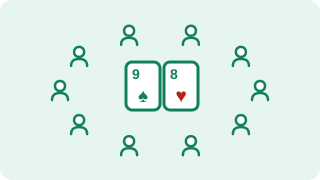
Illustration: Infinite Blackjack

Infinite Blackjack

An Evolution game where unlimited players share one hand but decide individually.

Infinite Blackjack is an Evolution game in which everyone at the table is dealt the same starting cards, so there is no limit on the number of players. Each player makes their own decisions on that shared hand, such as hit or stand. There is no waiting for a seat. Because of the shared hand, some options differ from a standard table, so read the rules.

Related: Multi Seat · Bet Behind · Decision Timer · Speed Blackjack

Back to A–Z
Illustration: Insurance Pays

Insurance Pays

The payout on an insurance bet, which is 2:1 when the dealer has blackjack.

Insurance is a side wager offered when the dealer shows an ace, usually costing up to half your original bet. It pays 2:1 if the dealer has blackjack, which roughly offsets your lost main bet. If the dealer does not have blackjack, the insurance stake is lost and play continues. Over time it generally increases the house edge.

Related: Even Money · Dealer Peeks For BJ · Blackjack (Natural)

Back to A–Z
Illustration: Lightning Blackjack

Lightning Blackjack

An Evolution game that adds random multipliers to a hand for an extra fee.

Lightning Blackjack is an Evolution game where every bet carries an extra fee. In return, random multipliers drawn at the end of a round can boost what you win in the next round. The rest of the game plays like blackjack, but the extra cost and changed payouts mean the rules differ from a standard table. Read the game's information panel for how it works.

Related: Side Bet · House Edge · Infinite Blackjack

Back to A–Z
Illustration: Lucky 7s Sidebet

Lucky 7s Sidebet

A side bet offered by some providers that pays on hands involving sevens.

Lucky 7s is a side bet found at some live tables. It pays when sevens appear among the first cards dealt, with bigger payouts for more sevens or matching suits. Pay tables differ by casino and game, so check the rules shown at the table. It is settled separately from the main hand and usually has a higher house edge.

Related: Side Bet · Honey Bonus Sidebet · Perfect Pairs Sidebet

Back to A–Z
Illustration: Multi Seat

Multi Seat

The ability to play more than one seat at the same table.

Where multi seat is allowed, you can bet on more than one seat in the same round, giving you several hands at once. Each seat is played separately and takes its own decisions. Providers often limit how many seats one person can take, and it can speed up how much you stake. It differs from Bet Behind, where you back someone else.

Related: Seat (Seated Player) · Multi Table · Table Limits

Back to A–Z
Illustration: Multi Table

Multi Table

Playing at several live tables at the same time.

Multi table lets you open more than one live blackjack table in the same browser window or app, so you can watch or play several games at once. Support depends on the provider and casino. Each table keeps its own timer, so decisions can overlap and it is easy to spend faster than intended. Many players find one table easier to follow.

Related: Multi Seat · Decision Timer · Table Limits

Back to A–Z
Illustration: Native-Language Table

Native-Language Table

A live table where the dealer and chat use a language other than English.

Native-language tables are hosted in a specific language, such as German, Spanish or Turkish, with dealers and chat in that language. The rules are generally the same as the casino's other tables, though limits can differ. They are useful if you prefer to play in your own language. Availability depends on the provider and the casino's markets.

Related: Branded Table · Private (Salon Privé) Table · Table Limits

Back to A–Z
Illustration: Perfect Pairs Sidebet

Perfect Pairs Sidebet

A side bet that pays if your first two cards form a pair.

Perfect Pairs is an optional side bet that pays when your first two cards make a pair. Payouts typically depend on whether the pair is mixed, same colour or identical suit, and pay tables vary by provider. It is settled once your two cards are dealt, separately from the blackjack hand, and usually carries a higher house edge than the main game.

Related: Side Bet · 21+3 Sidebet · House Edge

Back to A–Z
Illustration: Power Blackjack

Power Blackjack

An Evolution variant with a changed deck and the option to quadruple down.

Power Blackjack is an Evolution game that alters the card mix compared with a standard shoe and lets players go beyond a normal double, up to quadrupling their bet on certain hands. Because the deck and payouts differ, standard basic strategy does not apply exactly. Read the game's rules panel before playing.

Related: Double Down · Basic Strategy · House Edge

Back to A–Z
Illustration: Private (Salon Privé) Table

Private (Salon Privé) Table

A live table reserved for a limited number of players, often with higher stakes.

A private or Salon Privé table is a more exclusive live room, with a small number of seats and sometimes an invitation, minimum balance or higher bet limit. The dealer interacts with fewer players, so the pace may feel calmer. Rules are set by the provider and operator and may differ from public tables, so check them first.

Related: VIP Table · Branded Table · Table Limits

Back to A–Z
Illustration: Push

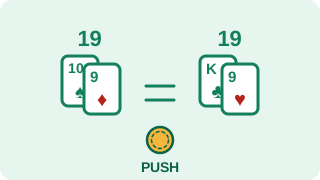
Push

A tie between player and dealer, where your bet is returned.

A push happens when your hand and the dealer's hand finish on the same total. Your stake is returned and nothing is won or lost. In live blackjack the chips stay on the spot or are handed back and the round is marked as a push. Some variants, such as Free Bet Blackjack, add special push rules for a dealer 22.

Related: Free Bet Blackjack · Stand · Bust

Back to A–Z
Illustration: Re-Split Rules

Re-Split Rules

Rules on whether and how often you may split again after a first split.

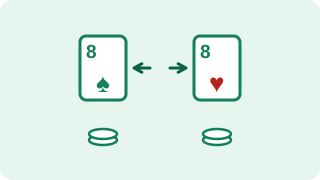
If you split a pair and receive another card of the same value, re-split rules state whether you may split again, and how many hands you can end up with, often a maximum of three or four. Aces are frequently treated differently. The more re-splitting allowed, the better for the player. Look at the game rules for the limit.

Related: Split · Hit Split Aces · Double After Split

Back to A–Z
Illustration: RTP (Return to Player)

RTP (Return to Player)

The share of wagers a game is expected to return to players over the long term.

RTP is the opposite way of describing house edge: a 99% RTP means an expected 1% edge for the casino. It is a long-term average across many rounds, not a prediction for a session. Blackjack RTP depends on table rules and how well the player follows strategy. Side bets typically have a lower RTP.

Related: House Edge · Basic Strategy · Side Bet

Back to A–Z
Illustration: Seat (Seated Player)

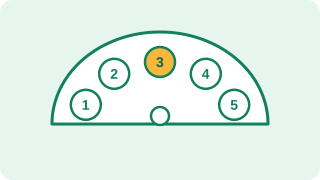
Seat (Seated Player)

A numbered betting position at the table that gives you control of that hand.

A live blackjack table has a fixed number of seats, commonly seven. Taking a seat lets you place bets and make hit or stand decisions on your own hand. When all seats are full, others can use Bet Behind. Some games, such as Infinite Blackjack, remove the limit entirely. Seats are shown on the table graphic.

Related: Bet Behind · Multi Seat · Infinite Blackjack

Back to A–Z
Illustration: Shoe

Shoe

The box that holds several shuffled decks and releases cards one at a time.

The shoe is a card dispenser on the live table. It holds the combined decks and the dealer takes each card from it in view of the camera. Once the cut card appears, the dealer finishes the round and reshuffles. Some tables use an automatic shuffler.

Related: Cut Card · Burn Card · Decks Used · Shoe Penetration

Back to A–Z
Illustration: Shoe Penetration

Shoe Penetration

How far through the shoe the dealer deals before reshuffling.

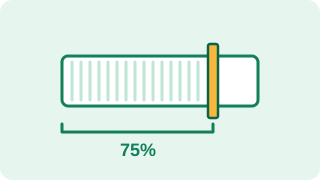
Penetration describes the share of the cards dealt before the cut card triggers a shuffle. Deeper penetration lets players see more cards before a reshuffle, which is of interest to card counters. Live casinos usually keep it fairly shallow, and the exact figure differs by provider and table, so it is not normally published. It is shown indirectly by the cut card position.

Related: Cut Card · Shoe · Decks Used · Burn Card

Back to A–Z
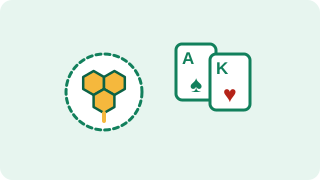
Illustration: Side Bet

Side Bet

An optional extra wager placed alongside your main blackjack hand.

Side bets are extra bets on separate outcomes, such as Perfect Pairs or 21+3, placed before cards are dealt. They are settled independently of the main hand and are usually paid from a table of fixed odds. They typically carry a higher house edge than blackjack itself, and pay tables differ between providers.

Related: Perfect Pairs Sidebet · 21+3 Sidebet · Honey Bonus Sidebet · Lucky 7s Sidebet

Back to A–Z
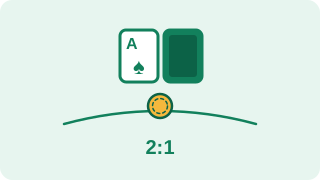
Illustration: Soft Hand

Soft Hand

A hand with an ace that is currently counted as 11.

A soft hand includes an ace valued at 11 without busting, such as ace and six, which is a soft 17. You cannot bust by taking one more card, because the ace can drop to 1. Soft totals call for different strategy to hard totals. Many live interfaces show both values for a soft total, for example 7 or 17.

Related: Hard Hand · Dealer Hits Soft 17 · Hit · Basic Strategy

Back to A–Z
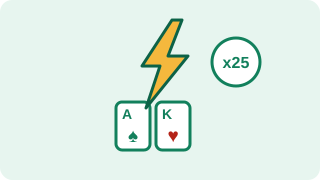
Illustration: Speed Blackjack

Speed Blackjack

An Evolution game with a faster pace and shorter decision times.

Speed Blackjack is an Evolution game designed to play quicker than a standard table, with shorter timers and faster dealing, so more rounds are completed per hour. The core rules are close to regular blackjack, but the faster pace can lead to spending more in a given time. Check the table's rules for specific details.

Related: Decision Timer · Infinite Blackjack · Table Limits

Back to A–Z
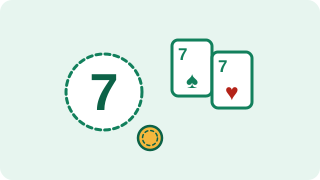
Illustration: Split

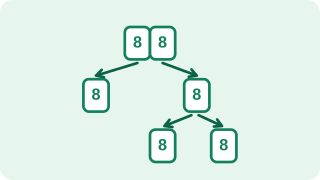
Split

Dividing a pair into two separate hands by adding a second equal bet.

When your first two cards have the same value, you can split them into two hands, placing a second bet equal to the first. The dealer deals a new card to each, and you play them one after the other. Rules on re-splitting, doubling and aces vary between tables, so check the rules shown in the game.

Related: Re-Split Rules · Double After Split · Hit Split Aces

Back to A–Z
Illustration: Stand

Stand

Keeping your current hand and taking no more cards.

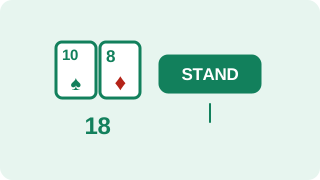
Standing means you are happy with your total and ask for no further cards. Play then moves to the next seat and finally to the dealer. In live blackjack you press the Stand button within the decision timer. If the timer runs out, many tables treat it as a stand. Knowing when to stand is part of basic strategy.

Related: Hit · Decision Timer · Basic Strategy

Back to A–Z
Illustration: Surrender

Surrender

Giving up your hand at the start of a round to get half your bet back.

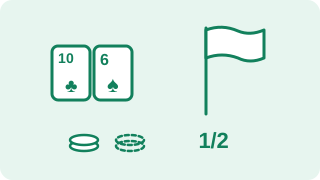
If the table offers surrender, you can fold your first two cards and receive half your stake back instead of playing on. It is mostly used on weak hands against a strong dealer upcard. Surrender is not offered at every live table, and live games usually offer late surrender, which is only possible once the dealer has checked for blackjack. Check the rules.

Related: Dealer Peeks For BJ · Basic Strategy · House Edge

Back to A–Z
Illustration: Table Limits

Table Limits

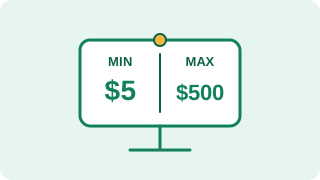
The minimum and maximum bets allowed at a live table.

Every table has a minimum and a maximum bet, shown in the lobby or on the game screen. Limits differ between tables and providers, so a table that suits a small budget may be different from one aimed at high rollers. Side bets often have their own, lower limits. Pick limits you are comfortable with and set a budget before you play.

Related: VIP Table · Side Bet · Private (Salon Privé) Table

Back to A–Z
Illustration: Upcard

Upcard

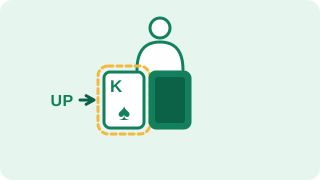
The dealer's face-up card that all players can see.

The upcard is the dealer's one visible card, and it guides most of your decisions, since it hints at how likely the dealer is to bust or make a strong hand. An ace or ten-value upcard may trigger a peek or an insurance offer. On the live stream it is placed face up next to the hole card position.

Related: Hole Card · Dealer Peeks For BJ · Insurance Pays · Basic Strategy

Back to A–Z
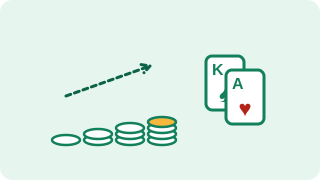
Illustration: VIP Table

VIP Table

A live table with higher limits, often for high-staking or invited players.

VIP tables have higher minimum and maximum bets than standard tables and may require a larger balance or an invitation from the casino. Some come with more experienced dealers or a quieter room. The rules can differ from public tables, so read them before playing. Higher stakes also mean larger potential losses, so play within your means.

Related: Private (Salon Privé) Table · Table Limits · Branded Table

Back to A–Z
Illustration: Wagering Contribution

Wagering Contribution

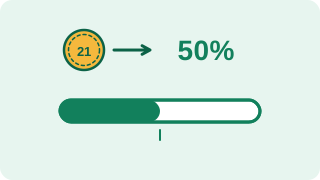
The share of a blackjack bet that counts towards clearing a bonus's wagering requirement.

When you claim a casino bonus, wagering requirements say how much you must bet before withdrawing. Different games count at different rates, and live blackjack often contributes a small percentage or nothing at all. For example, a bet might count for only part of its value. Always read the bonus terms before playing live tables.

Related: House Edge · Table Limits · Side Bet

Back to A–Z